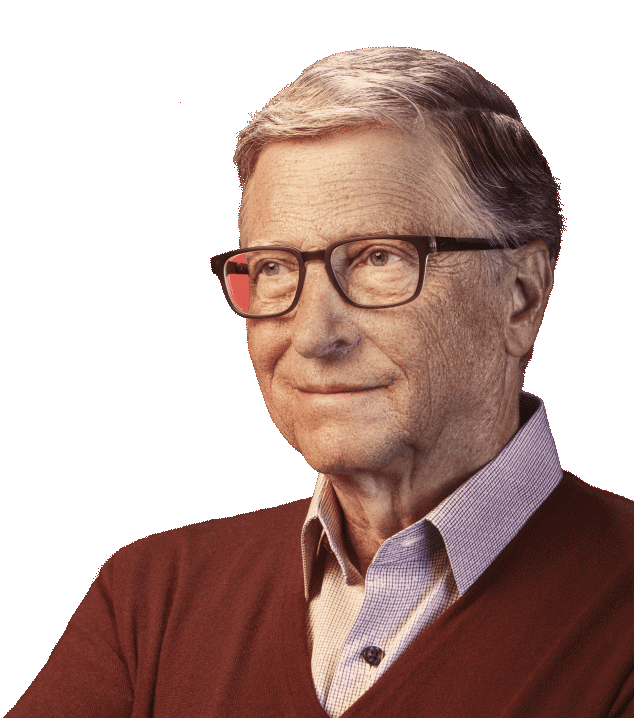
I made my first trip ever to Pakistan to learn more about the country’s incredible efforts to wipe out polio.
Energy and climate change is an issue I've been spending a lot of time reading about and trying to understand a bit better. I’ve been lucky enough to get time with some real experts, and there's a lot of great stuff that’s been written that provides some understanding.
In my work at the Bill & Melinda Gates Foundation, I think about energy in terms of how it can help the poorest people. If you can make cheap energy available where people live, then you can have fertilizer, transportation, and clean water, along with electricity for a medical clinic. Among other things, that means you can keep vaccines refrigerated.
From this point of view, energy is a huge issue. Understanding how we're going to change things so it will help the people who are the worst off is extremely important and it is a very interesting and difficult challenge.
I'm a believer that whenever markets can work, that's where you will find the best answers because you’ll get entrepreneurs from all over the world who can pursue thousands of ideas in parallel.
Depending on how you measure it, energy is probably the biggest market in the world. That means somebody can make a risky bet and try it, and you have clear metrics of success. So if you have a promising idea about sequestering carbon, or a cheap nuclear plant, or solar photovoltaic, you can get the capital to build plants, to hire people, and to demonstrate whether it works at scale.
This is perfect for the marketplace. But it's not something any foundation should try to do. In the areas that the Bill & Melinda Gates Foundation focuses on, it’s where you have diseases that don't exist in the rich world and so the research dollars aren’t there because there’s no market-driven opportunity.