



A daily fight
6 things you should know on World Polio Day
There’s good news and bad news about the eradication effort.


I’ve been following the fight against polio almost daily for more than two decades, ever since I got involved in the global coalition to eradicate it. But polio hardly ever makes headlines anymore, and most people are understandably not as focused on it as I am. So with World Polio Day coming up on Saturday, I want to give a quick update on how things are going.
Thanks to the world’s efforts—led by national governments with support from the Global Polio Eradication Initiative, which is a coalition of Rotary International, WHO, UNICEF, the United States CDC, the Gates Foundation, and the vaccine alliance known as Gavi—polio cases are down by 99 percent since 1988, and the virus is endemic in just two countries.
One of them, Pakistan, is making major progress. Thanks to continued vaccination programs and strong leadership from the government, the number of children newly paralyzed by polio there dropped from 74 in 2024 to 31 in 2025 and just 7 so far this year. I think it is possible to get to zero if we keep up this momentum.
In Afghanistan, unfortunately, polio cases have increased this year compared with last year. But the program is taking steps to do a better job getting the vaccine to all children, especially in the South region of the country. And it’s finding new ways to work with community leaders to hear from families who have doubts about vaccinations and to address their concerns.
Some encouraging news is coming out of Africa. Five variant polio outbreaks on the continent have been closed, interrupting transmission of the virus in those countries. It’s a testament to phenomenal work by governments at every level, local health workers, and the polio eradication initiative.
However, there continue to be outbreaks of variant polio in especially fragile settings. Humanitarian crises, weather-related disasters, and resource constraints are making it harder to vaccinate children. As global immunization rates remain low, the risk that the disease will spread internationally—even to places that have long been free of polio—is high.
India and South Asia have now been free of wild poliovirus for 15 years. This region, which is home to a quarter of the world’s population, recorded its last case of wild poliovirus in 2011. Staying polio-free since then is a huge accomplishment in itself. But countries in the region are also building on infrastructure and lessons from the polio program to expand people’s access to other public health services.
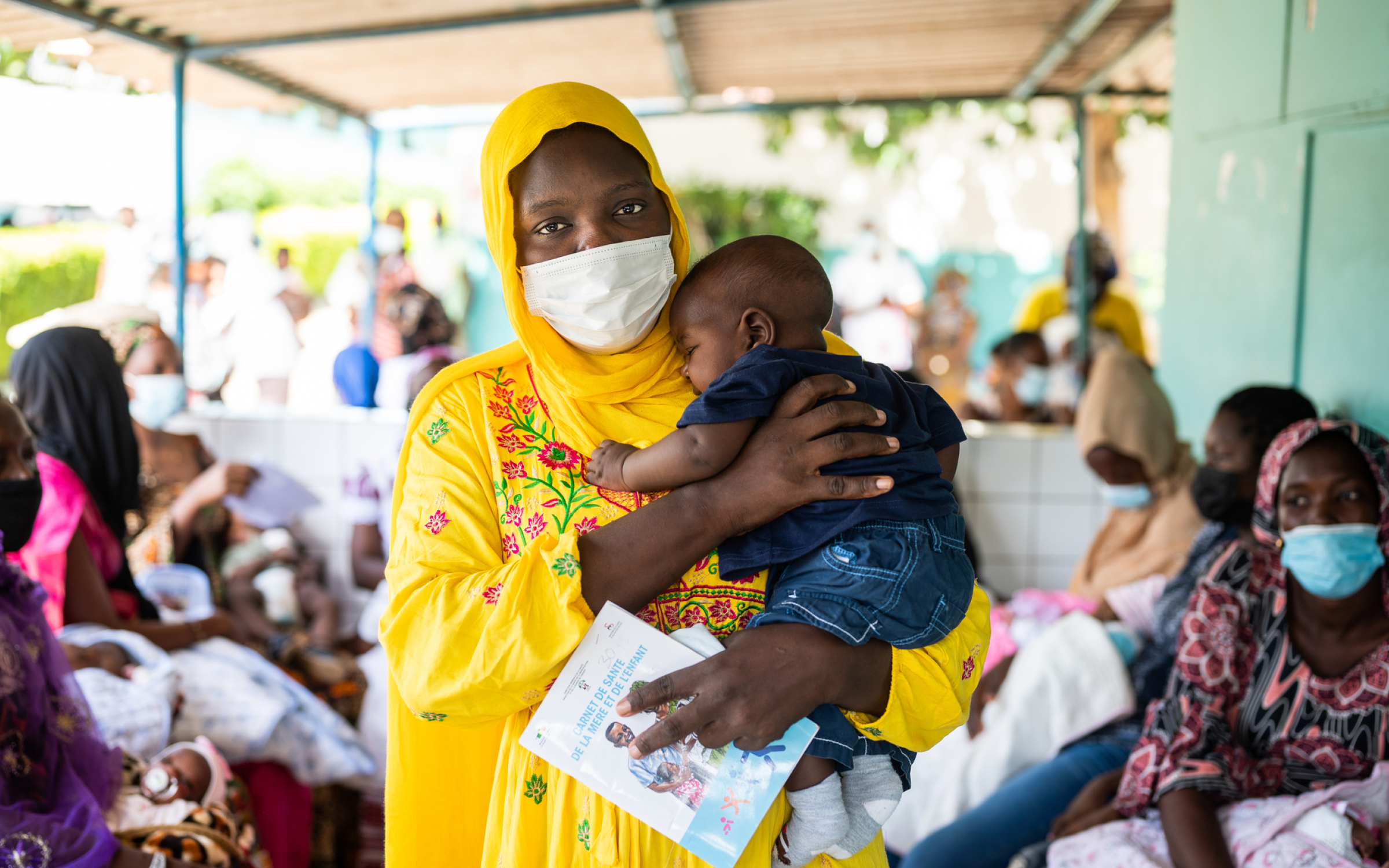
An affordable six-in-one vaccine is making it easier to protect children in low-income countries. In most low- and middle-income countries, children get their polio vaccines in two ways: orally, via a few drops in their mouth, and by injection. The injectable vaccines require two shots, the second one weeks or months after infants have received all their other routine shots. Many families don’t come back for this second visit, which means those children aren’t fully protected.
The six-in-one vaccine incorporates polio protection into the vaccines that children already get routinely, reducing the need for another injection later. When a baby gets the shots that protect them from whooping cough, tetanus, and so on, they’re also getting protection against polio.
Six-in-one vaccines aren’t new; they have been used in wealthier countries for years. The breakthrough was to develop one that’s affordable for low-income countries. Thanks to support from Gavi, Senegal and Mauritania are already using it, and Pakistan just approved its use last month.
I wish there were better news to share about funding. Even some of the most generous partners have cut back on their giving. GPEI, the eradication initiative I mentioned earlier, had to cut its budget by 30 percent this year. I am grateful to the donors who have stayed committed and to new donors who have made significant contributions in recent years. These include the Kingdom of Saudi Arabia, the United Arab Emirates, the European Investment Bank, Qatar, Australia, Canada, Monaco, and the United States.
This has accelerated a process that was already under way: lower-income countries taking more ownership of the program. For example, in the past 18 months, three more labs in Africa have been certified to do genomic sequencing of poliovirus samples. If the virus is detected somewhere on the continent, a sample can be sent to one of these labs, where scientists study its genome to figure out where it came from. The plan is to keep expanding capacity in Africa, further reducing the need to send samples overseas.
Unfortunately, none of this makes up completely for the funding shortfall. Around the world, leaders of polio programs are making painful tradeoffs. If this shortfall continues, we could lose decades of progress and see polio return everywhere. I’ll continue to do my part, supporting the work through the Gates Foundation and using my voice to raise awareness.
This is a winnable fight. It is giving us a blueprint for eradicating other diseases, including malaria. It has also created a global network of labs and experts that has alerted public health officials to outbreaks of cholera, measles, Ebola, and COVID-19 at the height of that pandemic.
But for me, what it comes down to is that we should eradicate polio because it is entirely preventable. There is no reason any child should ever be paralyzed by it again. That’s why I’m proud to be part of the global partnership that is committed to getting rid of it forever.


